Hi, my name is

Amir.

I explore human behavior & AI applications

Researcher in causal AI, computational epistemology, complexity, and safety. I study how intelligent systems reason about and interact with humans, evacuations, and other safety-critical environments—bridging human behavior modeling, causal reasoning, and AI-driven simulation to build systems that not only work, but also explain why they work.

About Me

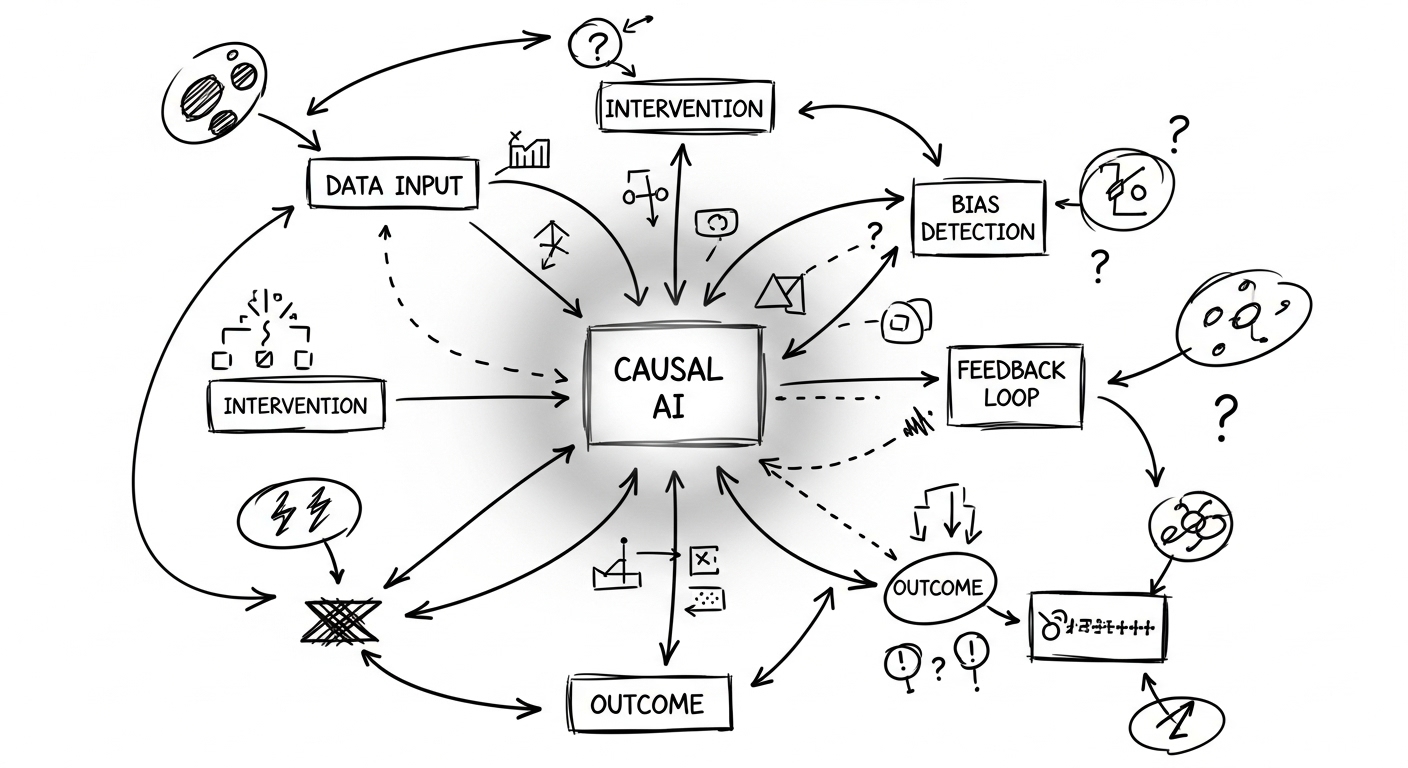
I am a researcher in causal AI, computational epistemology, complexity, and safety. My work focuses on how intelligent systems build and apply knowledge in dynamic, safety-critical environments, with emphasis on pedestrian dynamics and evacuation science. I integrate AI, human behavior modeling, causal inference, and simulation to design decision-support tools that are robust, explainable, and inclusive.

My doctoral research, EvacuAIDi, developed an AI-driven, causal-informed framework for disability-inclusive evacuation guidance, combining large language models, behavioral modeling, and causal reasoning. With 15+ years of experience in transportation engineering and a strong programming background, I also build open-source tools for modeling and probabilistic reasoning. Beyond research, I share insights through my podcast Decoding Causality and a LinkedIn page on evacuation science.

My broader goal is to advance methods that fuse human insight, causal reasoning, and AI to build safer, more resilient systems that not only work but also explain why they work.

Technical Skills:
  • Python, R
  • PostgreSQL, BigQuery
  • AI & ML
  • Cloud Computing
  • Traffic Simulation
  • Pedestrian Simulation
  • Data Analysis
  • QGIS

Experience

Postdoctoral Researcher - Texas State University
Sep 2025 - present
Postdoctoral researcher focusing on causal AI, computation epistemology in AI, and safety.
Graduate Research Assistant - Utah State University
Aug 2022 - Aug 2025
Served as a Graduate Research Assistant at the Singleton Transportation Lab at Utah State University. Focused on developing AI-powered tools for pedestrian and evacuation studies, including data-driven modeling, simulation, and applied machine learning for safety and mobility.
Algorithm Engineer - Ramona
Nov 2015 - Jul 2022
Developed core algorithms for a Traffic Guide Sign Design Software, enabling automated detection of required sign locations using interactive maps, guidelines, and manuals. Designed the system to generate production-ready outputs and support multi-language traffic signs, ensuring compliance with regulatory standards. Collaborated with developers to refine implementation, conducted rigorous testing, and validated results to enhance accuracy and usability.
Transport Modeler & Data Scientist - IRIANA
May 2015 - Jun 2020

Worked on various projects involving transportation modeling, data analysis, and AI-driven solutions for urban mobility and infrastructure planning. Designed and implemented computational models to support decision-making in large-scale transportation projects.

Key Projects:

  • Crowd Evacuation Modeling
  • Transportation Master Plans
  • Airport Design & Planning
  • Freight Master Plans
  • Traffic Impact Studies
Pedestrian Modeling Specialist & Transportation Researcher - IUST
Aug 2012 - May 2015

Worked on various projects related to pedestrian modeling, emergency evacuation, and transportation network resilience to support urban planning and mobility strategies.

Key Projects:

  • Pedestrian simulation and modeling in urban environments
  • Emergency evacuation studies for highways and tunnels
  • Transportation network resilience analysis and optimization
  • Traffic flow assessments and impact studies

Publications

  • Somvanshi, S., Islam, M. M., Rafe, A., Tusti, A. G., Chakraborty, A., Baitullah, A., Chowdhury, T. I., Alnawmasi, N., Dutta, A., & Das, S. (2025). Bridging the Black Box: A Survey on Mechanistic Interpretability in AI. ACM Computing Surveys. https://doi.org/10.1145/3787104

  • Rafe, A., & Das, S. (2025). Causal AI and Computational Epistemology - A Survey. http://dx.doi.org/10.2139/ssrn.6045495

  • Chhetri, G., Brotee, S., Ansari, M. W., Bellamkonda, V. S., Rafe, A., Alnawmasi, N., Dutta, A., & Das, S. (2025). Machine Unlearning in the Era of Foundation Models: Taxonomy, Methods, and Guarantees. http://dx.doi.org/10.2139/ssrn.5968054

  • Brotee, S., Chhetri, G., Polock, S. B. B., Bellamkonda, V. S., Rafe, A., & Das, S. (2025). A Survey on Joint Embedding Predictive Architectures and World Models. http://dx.doi.org/10.2139/ssrn.5772122

  • Somvanshi, S., Sheley, R., Shuvo, S. A., Rafe, A., & Das, S. (2025). A Survey on Automated Vehicles in Low Visibility and Infrastructure-Limited Roadway Settings. http://dx.doi.org/10.2139/ssrn.5387394

  • Rafe, A., Lawrence, P.J., Lovreglio, R., Spearpoint, M., Singleton, P. A. (2025). Enhancing Occupant Evacuation Simulation Using LLMs and Retrieval-Augmented Generation. International Conference on Transportation and Development 2025. https://doi.org/10.1061/9780784486191.034

  • Rafe, A., Singleton, P. A., Boyer, S., & Mekker, M. (2025). Pedestrian Crossing Behaviors at Signalized Intersections in Utah: Factors Affecting Spatial and Temporal Violations. International Journal of Transportation Science and Technology. https://doi.org/10.1016/j.ijtst.2024.12.005

  • Afand, K., Rafe, A., Khademi, N., Mazloum, S., Ahmadi, A., Zabihpour, A., & Singleton, P. A. (2025). Virtual Reality Analysis of Leadership Dynamics and Pedestrian Route Choice during Mass Gathering Evacuations. In Proceedings of the International Conference on Transportation and Development 2025. https://doi.org/10.1061/9780784486207.004

  • Mazloum, S., Khademi, N., Ahmadi, A., Afand, K., Zabihpour, A., Rafe, A., & Singleton, P. A. (2025). Exploring the Role of Leadership in Pedestrian Evacuations Using a Virtual Reality (VR) Environment: An Eye-Tracking Study. In Proceedings of the International Conference on Transportation and Development 2025. https://doi.org/10.1061/9780784486207.035

  • Rafe, A. (2025), Ethics on Foot: Balancing Technology and Human Values in AI-Driven Transport Systems. IATBR newsletter. https://iatbr.weebly.com/jan-2025.html

  • Rafe, A., Arman, M. A., & Singleton, P. A. (2024). A Comparative Study Using Generalized Ordered Probit, Stacking Ensemble, and TabNet: Application to Determinants of Pedestrian Crash Severity. Data Science for Transportation, 6(2), 13, https://doi.org/10.1007/s42421-024-00098-x

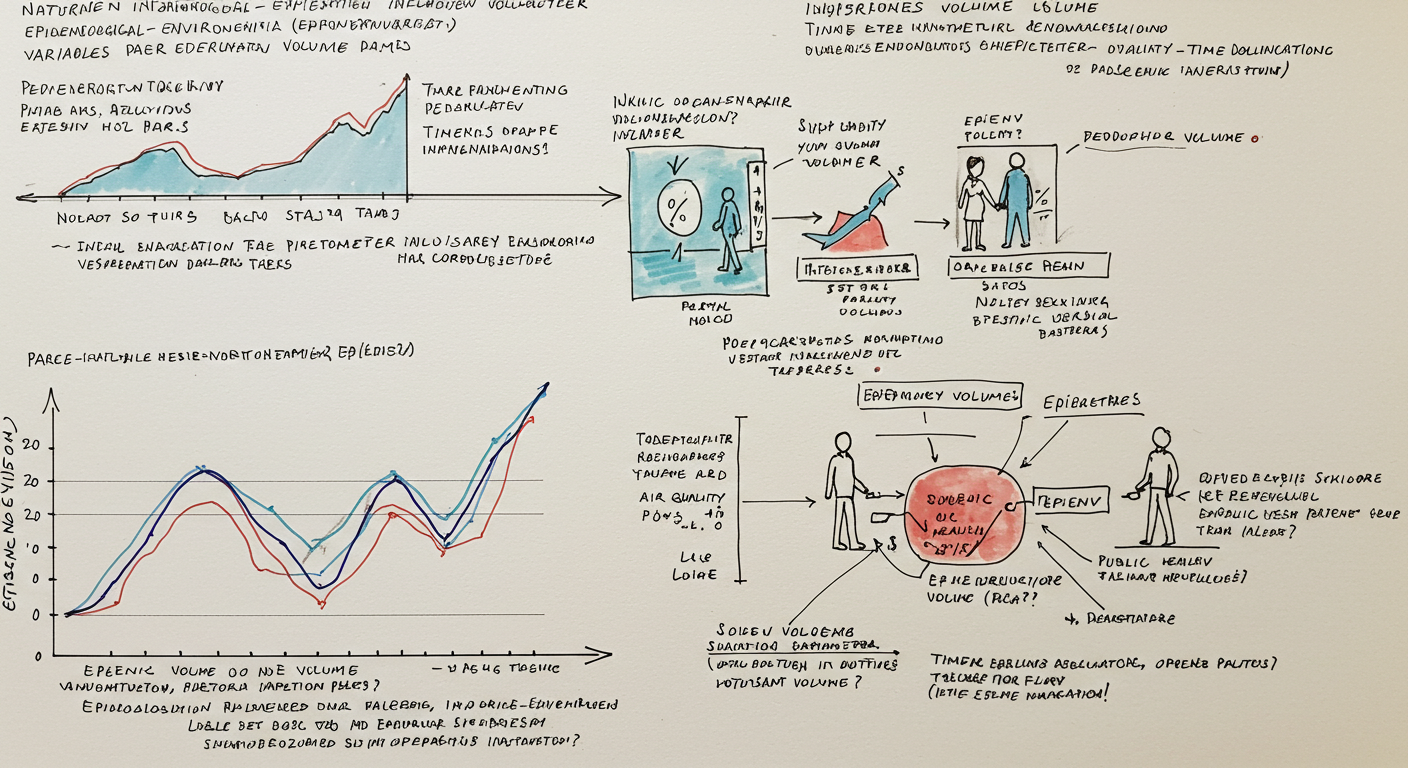
  • Rafe, A., & Singleton, P. A. (2024). Imputing Time Series Pedestrian Volume Data With Consideration of Epidemiological-Environmental Variables. Transportation Research Record, https://doi.org/10.1177/03611981241240758

  • Rafe, A., & Singleton, P. A. (2024). Exploring the Complexity of Pedestrian Dynamics: Impact of Societal Behaviors and Personal Attributes in Urban Environments. Transportation Research Record, https://doi.org/10.1177/03611981241260707

  • Rafe, A., & Singleton, P. A. (2024). Exploring the Determinants of Pedestrian Crash Severity Using an AutoML Approach. In International Conference on Transportation and Development 2024 (pp. 442-455), https://doi.org/10.1061/9780784485514.039

  • Rafe, A., Arman, M.A., Singleton, P. A. (2024). An In-depth Investigation into Factors Influencing Pedestrian Crash Severity: Comparative Analysis of Ordered Probit, Stacking Ensemble Model, and TabNet, Transportation Research Board 103rd Annual Meeting

  • Singleton, P. A., Rafe, A., Humagain, P., Runa, F., Islam, A., Mekker, M., & Mountain-Plains Consortium. (2024). Utilizing Traffic Signal Pedestrian Push-Button Data for Pedestrian Planning and Safety Analysis (No. MPC-24-525). Mountain-Plains Consortium. https://www.ugpti.org/resources/reports/details.php?id=1168

  • Rafe, A., Kretz, T., & Singleton, P. A. (2023). Importance of social behaviors on pedestrian dynamics: A case study of Islamic clothing in Iran, Transportation Research Board 102nd Annual Meeting

  • Arman, M. A., Rafe, A., & Kretz, T. (2015) Pedestrian Gap Acceptance Behavior, A Case Study: Tehran, Transportation Research Board 94th Annual Meeting

  • Rafe, A., Karimi, M. (2014) Calibrating Social force model based on design experiments method, The 13th International Conference on Traffic and Transportation Engineering

  • Rafe, A., Khavarzade, R. (2014) Investigation of Pedestrian’s Gap Acceptance behavior at Crosswalk, The 13th International Conference on Traffic and Transportation Engineering

  • Rafe, A., Shariat, A., Kalantari, N., Arman, M.A. & Yazdanpanah, (2014) Pedestrian simulation with Viswalk at various walking facilities, The 13th International Conference on Traffic and Transportation Engineering

Education

2022 - 2025
Ph.D. in Civil and Environmental Engineering
Utah State University
2010 - 2013
Master of Science in Civil and Environmental Engineering
Azad University: South Tehran Branch

Transportation Engineering specialization

Thesis: Pedestrian Dynamic Modeling using Social Force Model: A Heterogeneous Approach

2005 - 2009
Bachelor of Science in Civil Engineering
Azad University of Ahvaz

Tools

Crowd-Analyzer
Machine Learning OpenCV YOLO GUI
Crowd-Analyzer
Crowd Analyzer is a Python application designed to analyze pedestrian and crowd mobility patterns using computer vision and machine learning techniques. It incorporates YOLO for object detection, Kalman filters for tracking, and various methods for density and speed estimation.
PEDAT
Streamlit Dashboard Google Cloud
PEDAT
PEDAT is a Streamlit-based web application designed to visualize pedestrian volume data in Utah. It offers an interactive and user-friendly interface to analyze and understand pedestrian traffic patterns effectively.
CrashAutoML
Machine Learning AutoML Streamlit
CrashAutoML
This app is designed to analyze crash severity data using automated machine learning (AutoML) methods. It allows users to upload CSV files containing crash data, select features and target variables for modeling, and handle data imbalances using SMOTE (Synthetic Minority Over-sampling Technique).
EvacuAIDi
AI/ML Streamlit LLMs A* Algorithm
EvacuAIDi
This tool optimizes evacuation planning in stadiums using advanced algorithms, image processing, and AI to generate personalized evacuation routes tailored to user locations and specific needs.
PedImpute
Machine Learning DBSCAN LSTM GRU
PedImpute
This tool evaluates pedestrian volume data quality for safety and urban planning. It detects anomalies and imputes missing values using ML and deep learning. Analyzing Utah’s traffic signal data (2018–2022) with EpiEnv variables, it finds DBSCAN best for anomaly detection and Random Forest, LSTM, and GRU effective for imputation. Results highlight EpiEnv factors' impact on data accuracy.
Awesome Crowd Dynamics Hub
Resource Collection Documentation
Awesome Crowd Dynamics Hub
A curated collection of open-source tools and resources for studying and analyzing crowd dynamics, pedestrian flow, and evacuation strategies. It includes libraries, datasets, research papers, and software solutions that are valuable for researchers, urban planners, and developers working in the field of crowd dynamics.
Awesome Causal AI
Resource Collection Causal AI Research Papers
Awesome Causal AI
A meticulously curated collection of cutting-edge research, frameworks, and methodologies in Causal AI, including comprehensive lists of GitHub repositories, research papers, libraries, and educational resources. Features over 100+ repositories ranging from causal inference and causal machine learning to causal reinforcement learning and causal discovery.
HFPaperFetch
Python Automation Selenium
HFPaperFetch
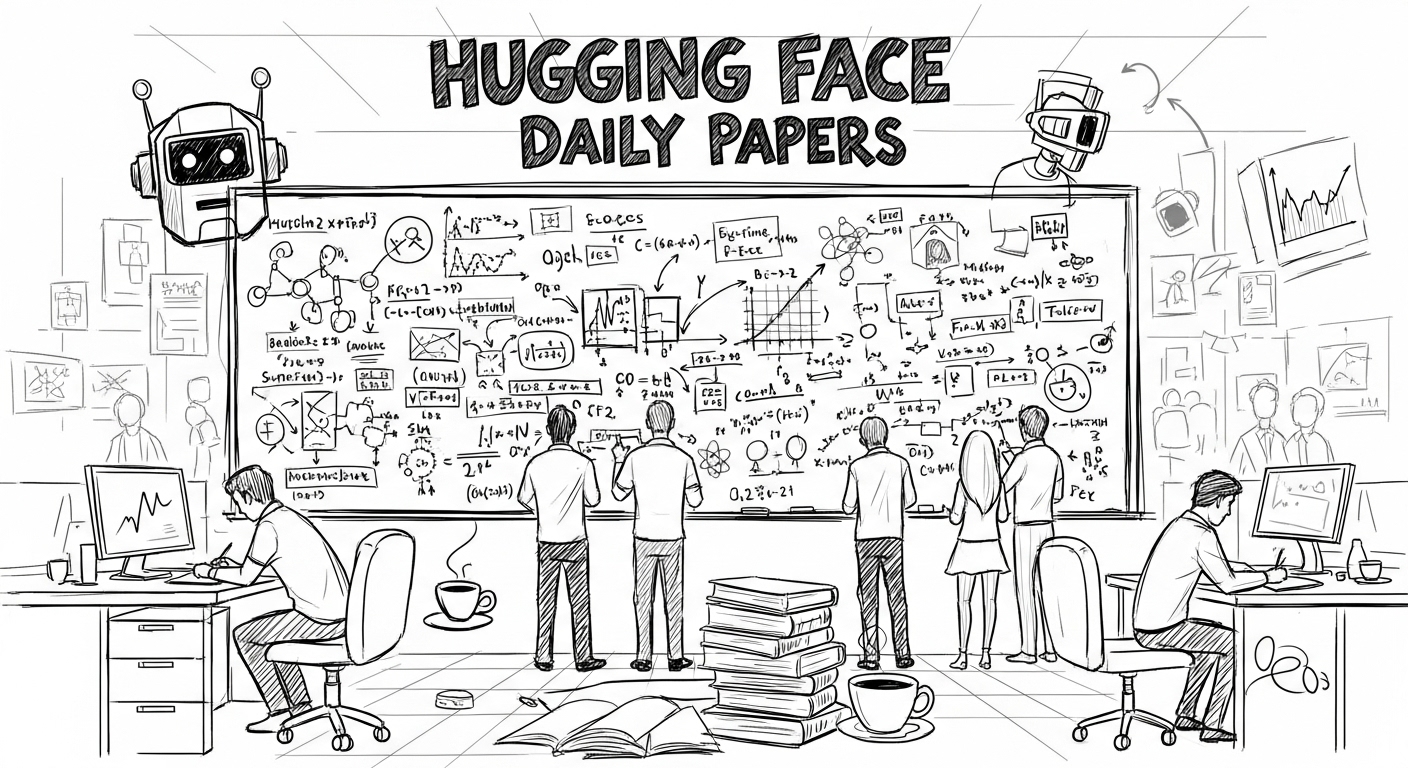
An automated daily downloader for Hugging Face trending papers. This Python-based tool fetches PDFs from Hugging Face Daily Papers, organizes them by date in structured directories, tracks downloaded papers to avoid duplicates, and generates JSON summaries for each download session. Includes multiple scheduling options for automated daily runs.
EnginML
Machine Learning Engineering Data Analysis Python
EnginML
EnginML is a Python package created for educational purposes, enabling engineers and students to understand and implement fundamental machine learning workflows, such as regression, classification, and clustering, with little to no programming expertise.

Get in Touch

Feel free to reach out if you’re interested in my research or would like to collaborate on projects related to pedestrian dynamics and AI applications.